
Renunciation of the World and Its Legal Implications (May 2025)
In this article
- Impact on Marriage and Divorce: Severing Legal Bonds
- Property Rights and Inheritance: Transfer of Ownership
- Rights of Dependent Family Members: Ensuring Their Well-being
- Legal Procedures and Documentation: Navigating the Formalities
- Role of Family Courts: Adjudicating Disputes with Sensitivity
- Case Studies and Precedents: Learning from Past Decisions
- Seeking Timely Legal Advice: Protecting Your Interests
- Frequently Asked Questions
- Conclusion: Navigating Renunciation with Expert and Empathetic Guidance
Renunciation of the World and Its Legal Implications: Renunciation of the world is a significant personal decision. Individuals choose to detach from worldly affairs. They often seek spiritual enlightenment. This choice, however, has legal implications. These implications particularly affect family relationships. Property rights are also involved.
Understanding Renunciation: A Departure from Material Life
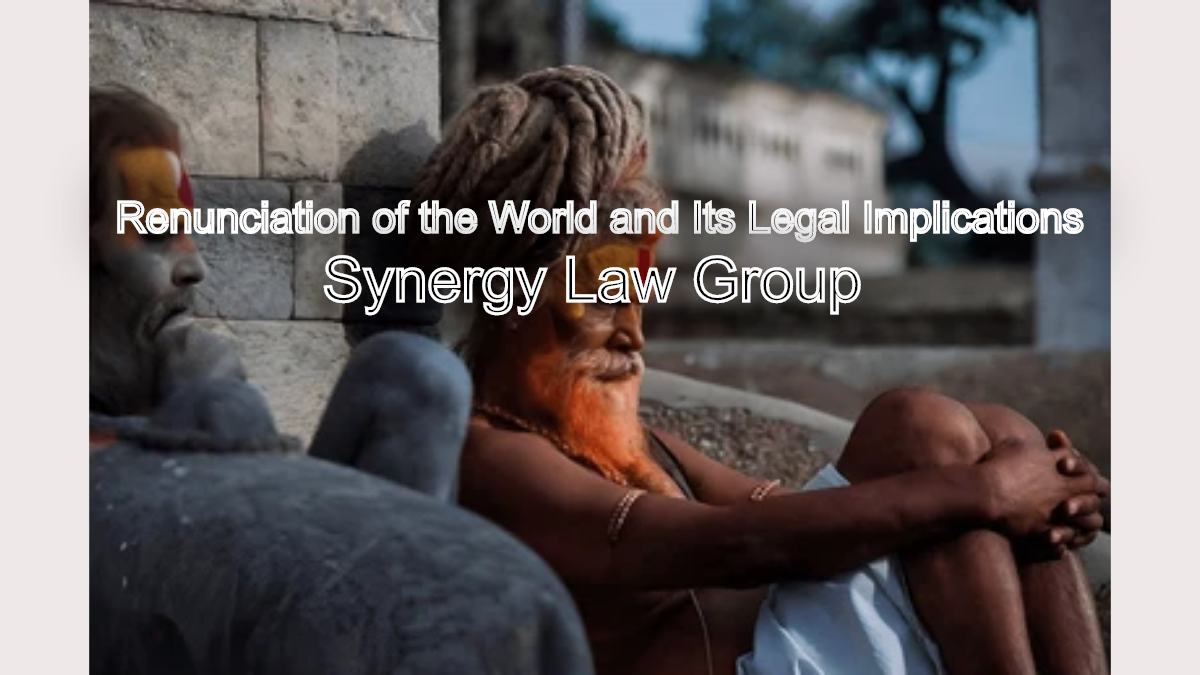
Renunciation, also known as sannyasa in some traditions, involves a deliberate detachment. Individuals relinquish material possessions. They sever ties with family and social obligations. This is often a spiritual pursuit. It aims at self-realization or liberation. The motivations behind renunciation are deeply personal. They can range from religious beliefs. They might stem from a desire for inner peace. Regardless of the reason, this act has legal ramifications.
Legal Recognition of Renunciation: A Complex Area
The legal system in India recognizes an individual’s right to renounce the world. However, this recognition is not absolute. It intersects with various personal laws. Hindu law, for instance, acknowledges sannyasa. It can lead to civil death in certain contexts. This means the renouncer is considered legally dead for certain purposes. Consequently, their property rights are affected. Their relationships with family members also undergo a legal shift. Muslim law and Christian law have different perspectives. Therefore, the legal implications vary based on the individual’s religious affiliation.
Impact on Marriage and Divorce: Severing Legal Bonds
Renunciation can significantly impact marital relationships. Under Hindu law, the renunciation of the world by a spouse can be a ground for divorce. Section 13(1)(vi) of the Hindu Marriage Act, 1955, specifies this. It treats renunciation as a form of civil death. This absolves the other spouse of marital obligations. They can seek a decree of divorce. However, the process involves proving the renunciation. It must be demonstrated that the spouse has unequivocally and voluntarily renounced the world. Other personal laws have different provisions regarding the impact of renunciation on marriage.
Property Rights and Inheritance: Transfer of Ownership
Renunciation also has significant implications for property rights and inheritance. When an individual renounces the world and is considered civilly dead under Hindu law, their property devolves as if they were actually deceased. Succession laws come into play. The legal heirs of the renouncer become entitled to the property. However, the specific rules of inheritance depend on various factors. These include the applicable personal law. The existence of a will is also relevant. The nature of the property (ancestral or self-acquired) also matters.
Rights of Dependent Family Members: Ensuring Their Well-being
The renunciation of the world by a family member can create significant challenges for their dependents. Spouses, children, and aged parents might face financial hardship. The law recognizes the rights of these dependents. Provisions for maintenance and support might exist. Under Hindu law, even if a person renounces the world, their obligation to maintain their dependent relatives might continue. Courts can pass orders ensuring the financial well-being of these dependents.
Legal Procedures and Documentation: Navigating the Formalities
The legal process surrounding renunciation can be intricate. It often involves specific procedures and documentation. Proving a valid renunciation according to religious customs and legal requirements is crucial. Affidavits, declarations, and sometimes even religious certificates might be necessary. Courts might require evidence of the renouncer’s intention and actions. Sale deeds, mutation records, and other legal papers need careful attention.
Role of Family Courts: Adjudicating Disputes with Sensitivity
Family courts play a crucial role in resolving disputes arising from renunciation. These courts are designed to handle sensitive family matters with empathy and understanding. Cases involving divorce due to renunciation, property rights, and the maintenance of dependents often come before family courts. Judges consider the specific facts and circumstances of each case. They apply the relevant personal laws. They strive to achieve a just and equitable outcome for all parties involved.
Case Studies and Precedents: Learning from Past Decisions
Understanding relevant case studies and legal precedents is essential. Courts have dealt with cases involving renunciation in the past. These decisions provide valuable insights into how the law is applied in such situations. They highlight the factors that courts consider. They clarify the legal principles involved.
Seeking Timely Legal Advice: Protecting Your Interests
If you or a family member is contemplating or has undergone renunciation, seeking timely legal advice is crucial. Understanding the legal implications early on can help prevent future complications. It allows for proactive planning regarding property and family responsibilities.
Frequently Asked Questions
Does renouncing the world automatically lead to divorce in India?
Under Hindu law, renunciation (sannyasa) can be a ground for divorce, but it’s not automatic. The spouse seeking divorce must prove that the other spouse has unequivocally and voluntarily renounced the world. This requires legal proceedings and a court decree. Other personal laws in India do not have the same direct provision.
What happens to the property of someone who renounces the world?
Under Hindu law, if a person is considered civilly dead due to renunciation, their property devolves as if they were actually deceased. Succession laws apply, and legal heirs become entitled to the property. The specific rules depend on personal law, the existence of a will, and the nature of the property.
Are dependent family members of a renouncer entitled to any support?
Yes, the law recognizes the rights of dependent family members. Even if someone renounces the world, their obligation to maintain dependent relatives (like spouses, children, and parents) might continue. Courts can order financial support to ensure their well-being.
What legal documents are typically required when dealing with renunciation cases?
Legal procedures often involve affidavits, declarations by the renouncer, and possibly religious certificates confirming the renunciation. Property transfer requires standard documents like sale deeds and mutation records. Proving the validity of renunciation in court also necessitates presenting relevant evidence.
How can a family court lawyer help in cases involving renunciation?
They assist with legal procedures, documentation, and representation in court. Their supportive approach helps navigate the sensitive nature of these cases and ensures the rights of all parties are protected.
Conclusion: Navigating Renunciation with Expert and Empathetic Guidance
Renunciation of the world is a profound personal decision with significant legal ramifications, particularly concerning family relationships and property rights. Understanding these legal implications under the relevant personal laws is crucial.