Mental Disorders and Divorce (Mar 2025)
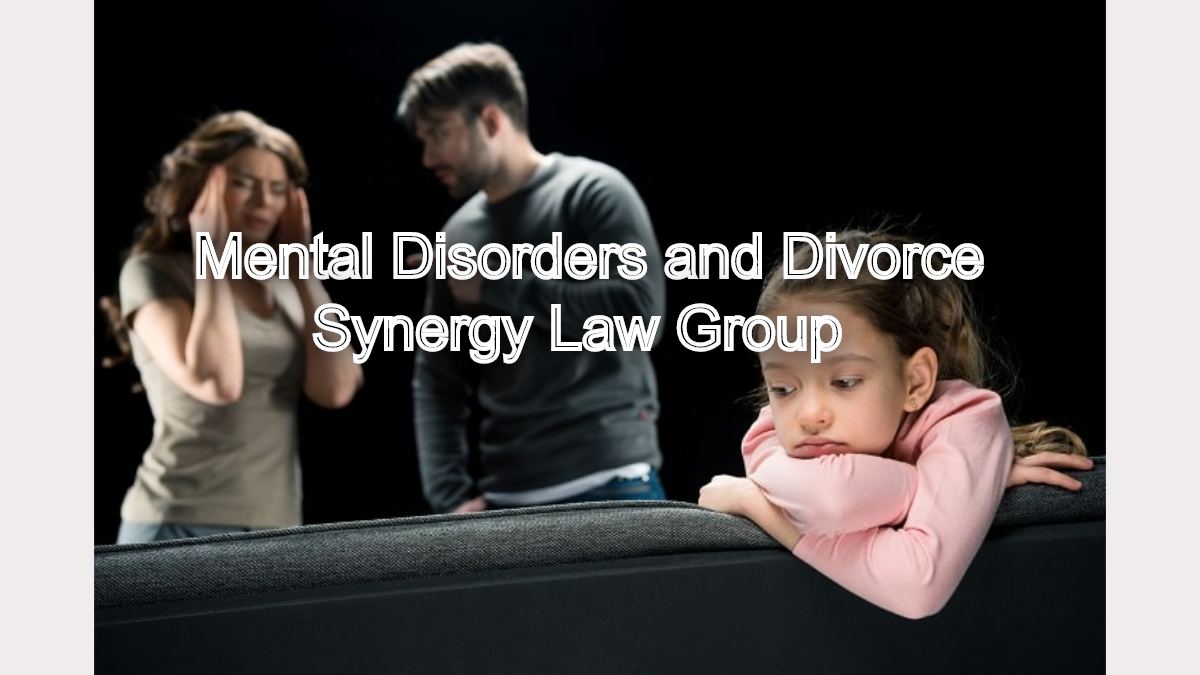
In this article
Mental Disorders and Divorce: Divorce is inherently complex, fraught with emotional and legal challenges. However, when mental disorders are a factor, the process becomes even more intricate.
Understanding the Intersection: Mental Disorders and Marital Breakdown
In essence, conditions like severe depression, bipolar disorder, or personality disorders can significantly impact a person’s behavior and relationships. For instance, these disorders can lead to emotional instability, communication difficulties, and an inability to fulfill marital responsibilities.
Moreover, the strain on a marriage can be immense. For example, a spouse might struggle to cope with the unpredictable behavior or emotional distress of their partner. Therefore, seeking divorce becomes a consideration when the situation becomes untenable.
The Legal Landscape: Mental Disorders and Divorce Proceedings
In order to navigate this challenging terrain, understanding the legal implications is crucial. Primarily, the impact of a mental disorder on divorce proceedings varies depending on the jurisdiction and the specific circumstances. Specifically, in some jurisdictions, mental illness can be considered a ground for divorce if it renders the marriage insupportable.
Subsequently, issues like child custody and spousal support become particularly complex when a mental disorder is involved. In this case, courts prioritize the best interests of the child, and a parent’s mental health can be a significant factor in custody determinations. Additionally, a court may consider the impact of a mental disorder on a spouse’s ability to earn a living when determining spousal support.
Furthermore, evidentiary considerations play a vital role. In other words, medical records, expert testimonies, and witness statements are often used to establish the existence and impact of a mental disorder. Likewise, the court may appoint a guardian ad litem to represent the interests of a party with a mental disorder.
The Importance of Evidence: Building a Strong Case
Beyond legal maneuvers, the strength of a divorce case involving mental disorders hinges on the quality of evidence presented. Specifically, medical records and expert testimonies are crucial. In this regard, detailed documentation is essential.
Moreover, witness testimonies can play a significant role. For instance, credible witnesses can corroborate the impact of the mental disorder on the marriage and the children.
Navigating Child Custody and Support
Furthermore, child custody and support are often the most contentious issues in divorce cases involving mental disorders. Consequently, courts prioritize the best interests of the child.
Additionally, they assist in developing parenting plans that address the specific needs of the child and the parent with a mental disorder.
Addressing Spousal Support and Property Division
Beyond child-related matters, spousal support and property division are also significant considerations. Specifically, a court may consider the impact of a mental disorder on a spouse’s ability to earn a living when determining spousal support.
Moreover, they assist in valuing and dividing marital assets, ensuring that the client’s financial interests are protected.
The Significance of Mediation and Collaborative Law
In the final analysis, mediation and collaborative law can offer alternative approaches to resolving divorce disputes. Thus, these methods can be particularly beneficial in cases involving mental disorders. Specifically, they promote open communication and cooperation.
Moreover, they can help reduce conflict and minimize the emotional toll on all parties involved.
Protecting the Client’s Rights: Ensuring Fair Outcomes
Additionally, protecting the client’s rights is crucial. In this regard, they advocate for fair and equitable outcomes.
Frequently Asked Questions
Q: How does a spouse’s mental disorder affect divorce proceedings?
A spouse’s mental disorder can impact divorce proceedings by influencing child custody decisions, spousal support determinations, and even grounds for divorce in some jurisdictions. Courts prioritize the child’s best interests, and a parent’s mental health is a key factor.
Q: What kind of evidence is needed to prove a mental disorder in a divorce case?
You need medical records, expert testimonies from mental health professionals, and witness statements that detail the impact of the disorder on the marriage and family. Detailed documentation is crucial to establish the disorder’s existence and effects.
Q: Can a parent with a mental disorder get child custody?
Yes, but the court will assess the parent’s ability to provide a safe and stable environment for the child. They may require evidence of treatment, stability, and a parenting plan that addresses the child’s needs. The child’s best interests are always the priority.
Q: How does a mental disorder affect spousal support (alimony)?
A court may consider the impact of a mental disorder on a spouse’s ability to earn a living when determining spousal support. If the disorder limits their earning capacity, it could lead to higher or longer-term support.
Q: What role does a family court attorney play in a divorce involving mental disorders?
They ensure the client’s rights are protected, navigate complex legal issues, and advocate for fair outcomes regarding custody, support, and property division.