
Christian Divorce
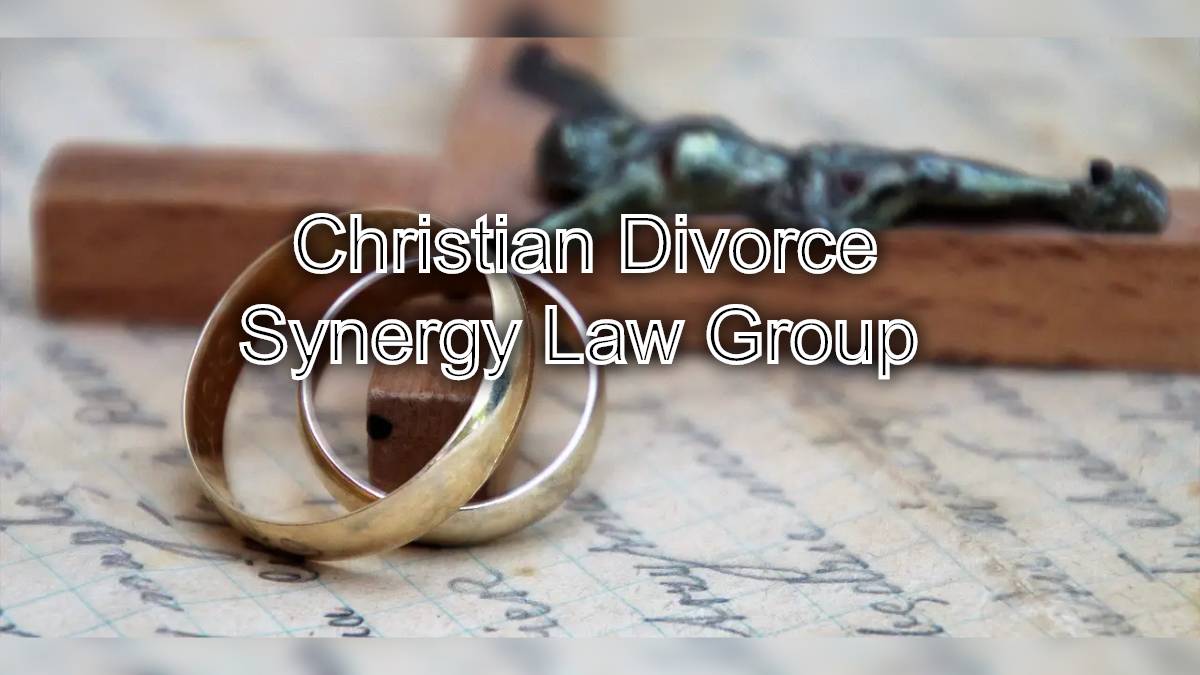
Christian divorce, while often seen as a difficult and sensitive matter, can be navigated with compassion and understanding. When faced with such a challenging situation, it’s crucial to have a legal team that understands the unique needs and beliefs of individuals going through a Christian divorce.
The Role of a Family Court Lawyer in Christian Divorce
They can:
- Mediation and Negotiation: Facilitate amicable resolutions through mediation and negotiation, minimizing conflict and preserving relationships.
- Litigation Representation: Aggressively represent your interests in court if necessary, ensuring your rights are protected.
- Child Custody and Visitation: Advocate for the best interests of your children, securing fair and equitable custody and visitation arrangements.
- Spousal Support and Property Division: Negotiate for fair and equitable division of assets and spousal support.
The Divorce Process for Christians
The divorce process for Christians often involves similar steps as traditional divorces, but with a focus on preserving family relationships and minimizing conflict. The process may include:
- Consultation with a Lawyer: Seek legal advice to understand your rights and options.
- Mediation or Negotiation: Attempt to resolve issues amicably through mediation or negotiation.
- Filing for Divorce: If mediation fails, file the necessary paperwork with the court.
- Discovery: Exchange information and documents relevant to the case.
- Settlement Negotiations: Negotiate a settlement agreement covering child custody, visitation, spousal support, and property division.
- Trial: If a settlement cannot be reached, the case proceeds to trial.
- Judgment and Decree: The court issues a final judgment and decree, outlining the terms of the divorce.
FAQs About Christian Divorce
Can I get a divorce as a Christian?
While divorce is a sensitive issue for many Christians, it is a legal option in many jurisdictions. However, it’s important to consult with both legal and spiritual advisors to navigate the process in a way that aligns with your faith and values.
How can I minimize conflict during a Christian divorce?
To minimize conflict, consider these strategies: Mediation: Christian Counseling: Communicate Openly and Honestly: Prioritize Children’s Well-being:
What are the unique challenges of a Christian divorce?
Some unique challenges of a Christian divorce include: Moral and Ethical Considerations: Balancing legal rights with faith-based values. Impact on Children: Protecting children’s emotional and spiritual well-being. Public Perception: Navigating societal expectations and judgments. Financial Implications: Dividing assets and liabilities while maintaining financial stability.
How can a family law attorney help with a Christian divorce?
A family law attorney can provide valuable legal advice and representation, including: Understanding Legal Rights: Explaining your rights and obligations under family law. Negotiating Settlements: Assisting in negotiating fair and equitable settlements. Litigating Disputes: Representing you in court if necessary. Child Custody and Visitation: Advocating for the best interests of your children. Spousal Support and Property Division: Helping you divide assets and debts fairly.
How can I find a family law attorney who understands my Christian beliefs?
When seeking a family law attorney, consider these factors: Online Research: Research attorneys who specialize in family law and have experience handling cases involving religious considerations. Initial Consultation: Schedule consultations with potential attorneys to discuss your case and assess their understanding of your faith and values.
Conclusion
Christian divorce can be a challenging experience, but with the right legal guidance, you can navigate the process with grace and dignity. Don’t face the challenges of Christian divorce alone.